

NeuroStar TMS Therapy
TMS Therapy for Depression in League City, TX
Advanced, Non-Invasive Depression Treatment at Family Psychiatry
Family Psychiatry in League City, TX offers NeuroStar® TMS (Transcranial Magnetic Stimulation) Therapy, an FDA-cleared, non-invasive treatment for adults with Major Depressive Disorder (MDD) who have not found adequate relief from antidepressant medications. TMS therapy is supervised by Dr. Mohammad Saeed, M.D., a triple board-certified psychiatrist with over 20 years of clinical experience in the Greater Houston area. Our TMS clinic is located at 2360 Gulf Freeway S, Suite 100B, League City, TX 77573, and serves patients from League City, Clear Lake, Friendswood, Dickinson, Kemah, Galveston, and surrounding communities.
What Is TMS Therapy?
Transcranial Magnetic Stimulation (TMS) is a non-invasive, outpatient treatment that uses focused magnetic pulses to stimulate specific areas of the brain responsible for mood regulation. It is used to treat depression in adults who have not responded well to antidepressant medications.
Unlike medications, TMS works directly at the neurological level, targeting the prefrontal cortex, the brain region known to be underactive in people with Major Depressive Disorder. By stimulating this area, TMS helps restore normal brain activity and alleviate depressive symptoms.
TMS is performed entirely outside the body. There is no surgery, no anesthesia, no sedation, and no systemic side effects like those commonly experienced with antidepressants. Patients remain fully awake and alert during each session and can drive themselves home and return to normal activities immediately afterward.
Key features of TMS therapy at Family Psychiatry:
FDA-cleared for Major Depressive Disorder (MDD) and Obsessive-Compulsive Disorder (OCD)
Non-invasive - no surgery, no implants, no anesthesia
No systemic side effects (no weight gain, no sexual side effects, no fatigue)
Outpatient procedure - sessions last 19 to 38 minutes
Patients remain awake and alert throughout
Covered by Medicare and most major insurance plans
For more information, visit Harvard Medical School publishing.
Is TMS Therapy Safe?
Yes. TMS therapy is well tolerated and has been used safely in clinical settings for over 20 years. The NeuroStar system used at Family Psychiatry has been cleared by the FDA and has delivered more than five million treatments worldwide.
The most common side effect is mild headache or scalp discomfort at the treatment site during or shortly after the session. This typically decreases after the first week of treatment as patients become accustomed to the procedure.
TMS may not be appropriate for individuals with:
Epilepsy or a history of seizures
Metal implants in or near the head (cochlear implants, certain surgical clips, deep brain stimulators)
A history of serious head injury or brain surgery
Certain neurological conditions
A thorough psychiatric evaluation is completed at Family Psychiatry before any TMS treatment begins to ensure you are a safe and appropriate candidate.
Does TMS Therapy Work for Depression?
Yes! clinical evidence and real-world data consistently show that TMS is effective for many patients with treatment-resistant depression.
Clinical study results:
50–60% of patients who did not respond to antidepressant medications experience a clinically meaningful improvement with TMS
Approximately one-third of patients achieve full remission — meaning depressive symptoms resolve completely
A major real-world study of NeuroStar TMS reported an 83% response rate among patients who completed their full treatment course
The same study reported a 62% remission rate — meaning 62% of patients who completed NeuroStar treatment would likely no longer meet the diagnostic criteria for MDD
For comparison, research from the landmark STAR*D study showed that the likelihood of achieving remission with antidepressant medications decreases significantly with each successive medication tried. TMS offers a fundamentally different mechanism of action that does not rely on the same pathways as medication.
How long do results last? Most TMS patients feel improvement for many months after completing treatment, with an average response duration of over a year. Some patients choose to return for additional treatment courses if symptoms recur.
For full clinical data, visit neurostar.com/is-neurostar-safe-proven.
Everything You Need To Know About NeuroStar TMS Therapy

NeuroStar® TMS Therapy is one of the most widely studied and trusted TMS systems available today. It allows for precise targeting and personalized treatment planning, helping patients fight depression without the systemic side effects of medication.
With more than five million treatments delivered, this novel treatment to achieving remission is bringing new hope to people everyday.
WHAT TO EXPECT - TMS ROOM
What to Expect at Family Psychiatry's TMS Therapy Room
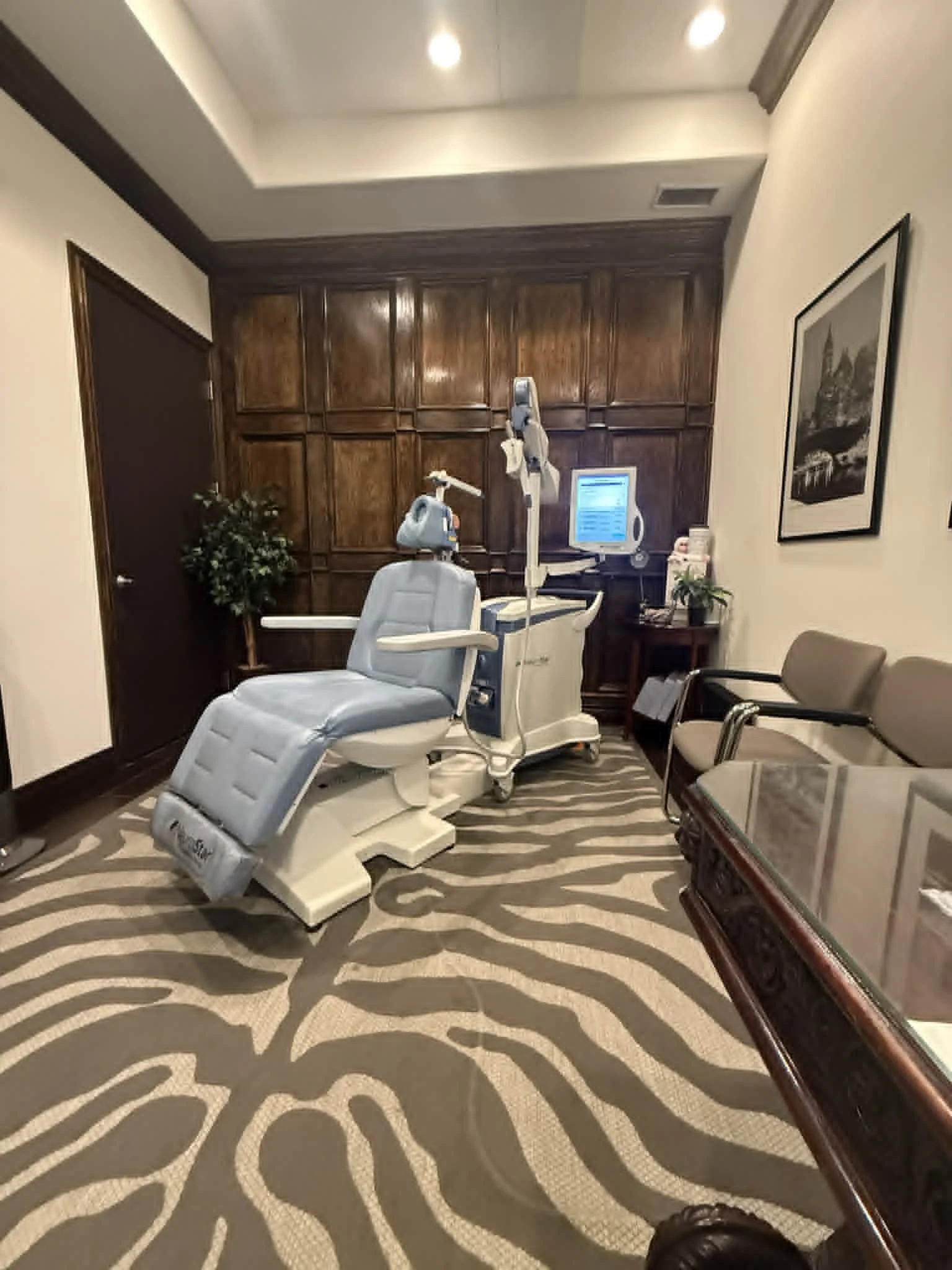
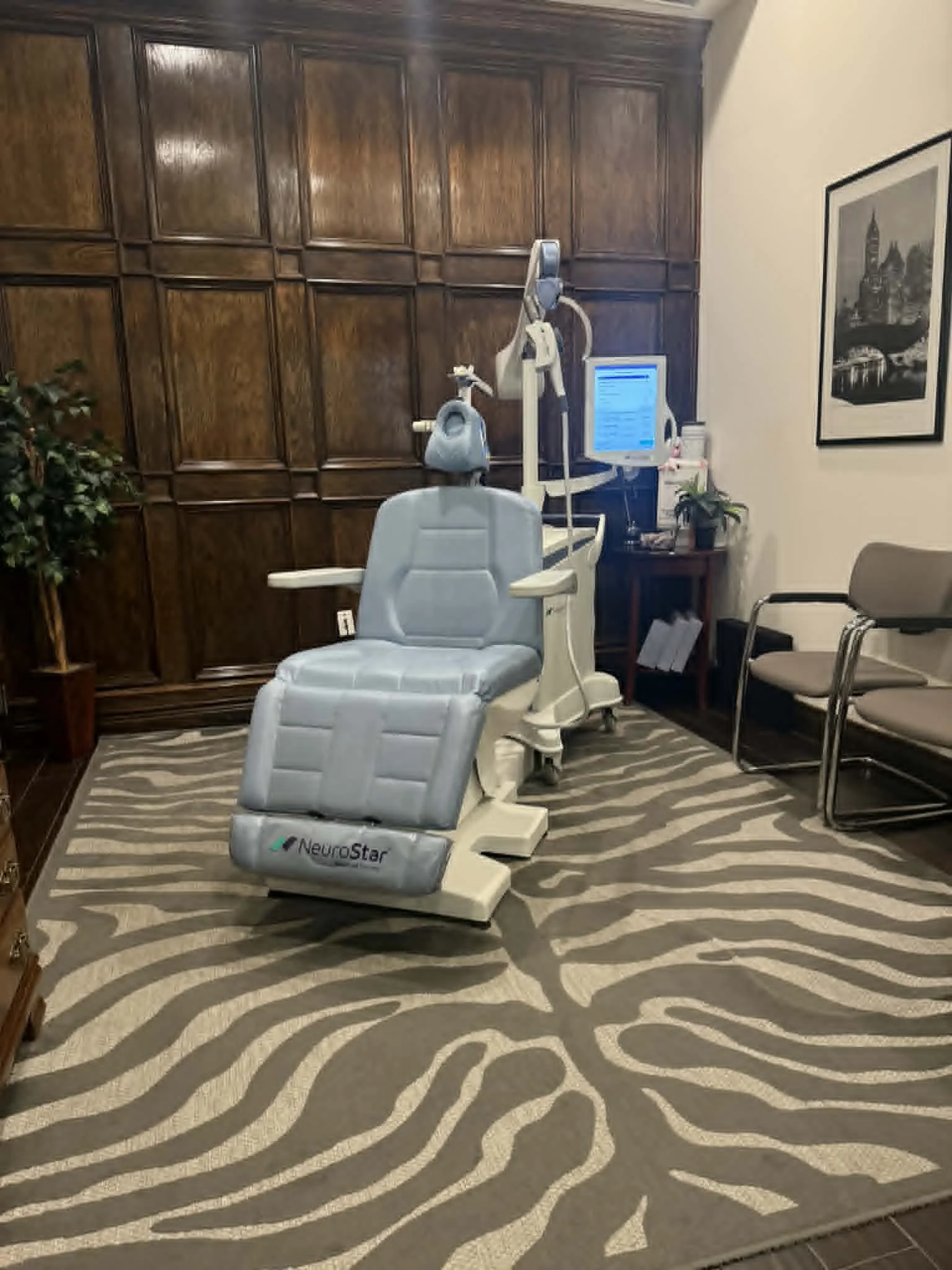
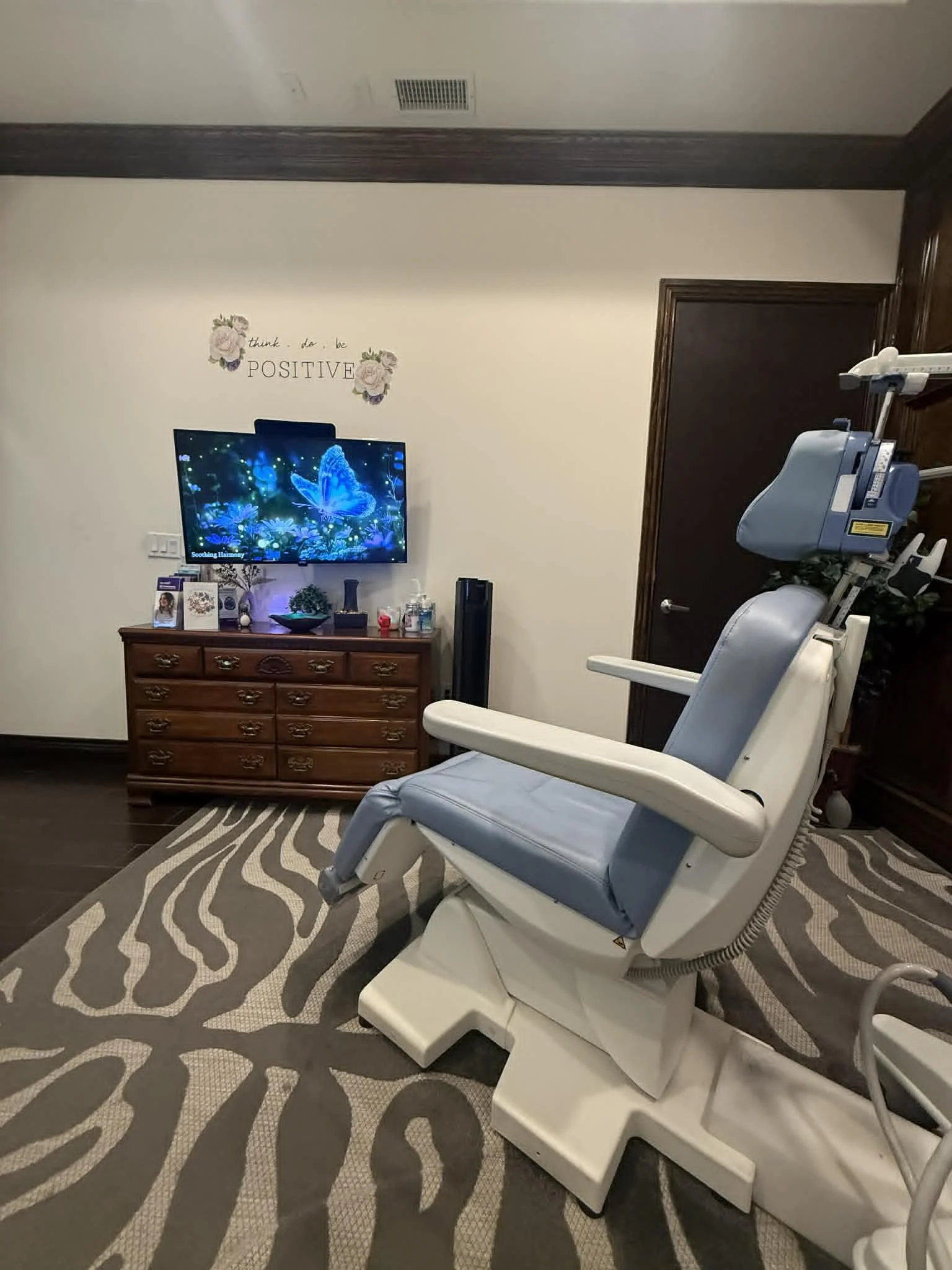
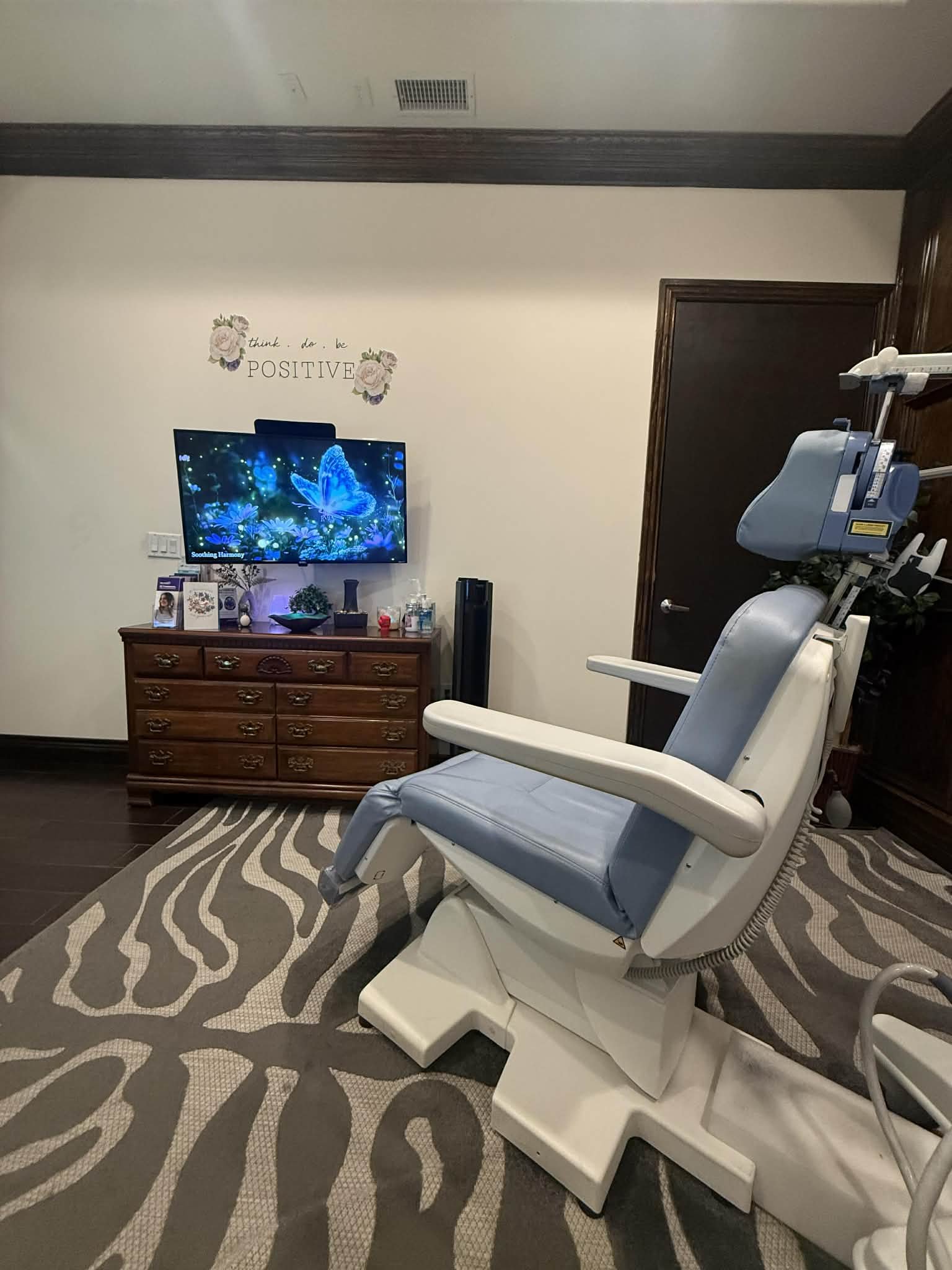
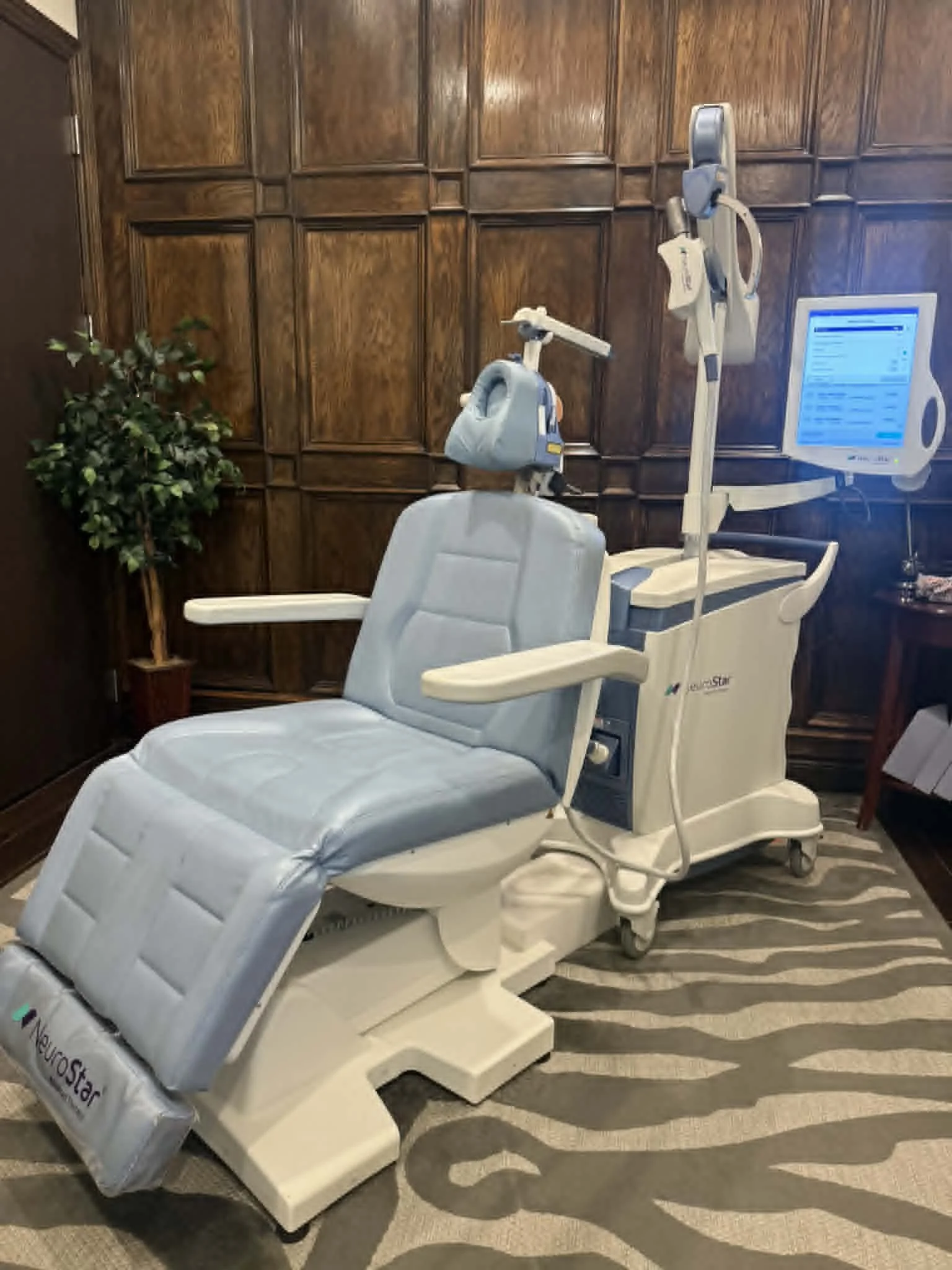
We welcome you to our TMS suite at Family Psychiatry in League City, TX, a calm, private, and comfortable space designed specifically for your treatment.
Before your first session: Dr. Mohammad Saeed will conduct a full psychiatric evaluation to confirm your diagnosis, review your medication history, and determine whether TMS is the right treatment for you. If approved, our team will schedule your treatment course and walk you through exactly what to expect.
During each session:
You will be seated in a comfortable, reclined chair
A trained TMS technician will position the NeuroStar magnetic coil against your scalp
You will hear a clicking or tapping sound and feel a light tapping sensation on your head
You remain fully awake, alert, and able to talk, read, or listen to music
Each session lasts 19 to 38 minutes depending on your treatment protocol
After each session:
You can drive yourself home
You can return to work or normal activities immediately
No recovery time is needed
Most patients notice gradual improvement over the course of treatment
Our clinic features modern TMS treatment rooms, a welcoming waiting area with comfortable seating, and a team of trained staff who will guide and support you at every step.
Frequently Asked Questions:
-
TMS therapy at Family Psychiatry in League City, TX is used to treat Major Depressive Disorder (MDD) in adults who have not responded adequately to antidepressant medications. It is also FDA-cleared as an adjunct treatment for Obsessive-Compulsive Disorder (OCD). Dr. Mohammad Saeed evaluates each patient individually to determine whether TMS is appropriate for their condition.
-
Yes! TMS is specifically designed for patients who have tried antidepressants without adequate results. If you have tried one or more antidepressant medications and not experienced sufficient improvement, you may be an ideal TMS candidate and may qualify for full or partial insurance coverage. Contact Family Psychiatry in League City, TX at 281-554-0123 to schedule an evaluation.
-
A standard TMS treatment course at Family Psychiatry consists of 36 sessions, scheduled 5 days per week (Monday through Friday). The full course typically takes about 7 weeks to complete.
Each individual session lasts approximately 19 to 38 minutes. You are awake and alert throughout and can resume normal activities immediately afterward including driving, working, and exercising.
It is important to stay committed to the full 36-session course. Many patients begin to notice improvement in the first 2–3 weeks, while others may not experience the full benefit until closer to the end of treatment. Consistency is key to achieving the best outcome.
-
Everyone's experience with NeuroStar TMS is different. Some patients at Family Psychiatry begin to notice improvement in mood, energy, or motivation within the first 1–2 weeks of treatment. Others may not experience the full benefit until closer to the end of the 36-session course. It is important to stay committed to the full treatment program for the best outcome.
-
TMS and ECT are both brain stimulation therapies, but they work very differently. ECT uses electrical currents and requires general anesthesia, sedation, and a recovery period. TMS uses focused magnetic pulses, requires no anesthesia, and has no recovery downtime. Patients remain awake and alert during TMS and can drive themselves home afterward. TMS also has a significantly lower side-effect profile than ECT.
-
TMS does not automatically replace your existing medications. At Family Psychiatry in League City, TX, Dr. Saeed will evaluate your full treatment history and make recommendations based on your individual situation. Some patients continue their current medications alongside TMS, while others may reduce or adjust medications over time as symptoms improve. Any changes to your medication regimen will be managed by Dr. Saeed.
-
Most patients find TMS therapy comfortable and well tolerated. The most common sensation is a light tapping or knocking feeling on the scalp during the session. Some patients experience mild headache or scalp discomfort, particularly in the first few sessions. This typically diminishes as treatment continues. There is no pain from the magnetic pulses themselves.
-
Yes. NeuroStar TMS Therapy is covered by Medicare and most major national insurance carriers, including many commercial plans.
Coverage is typically available for patients who meet criteria for treatment-resistant depression — generally meaning you have tried one or more antidepressant medications without adequate relief.
To verify your coverage: Contact Family Psychiatry in League City, TX at 281-554-0123 or visit our insurance page. Our staff will help verify your benefits before you begin treatment so there are no surprises.
-
Family Psychiatry offers NeuroStar TMS Therapy at our clinic located at 2360 Gulf Freeway S, Suite 100B, League City, TX 77573. Dr. Mohammad Saeed, M.D. supervises all TMS treatments. We serve patients from League City, Clear Lake, Friendswood, Dickinson, Kemah, Galveston, Texas City, and the Greater Houston area. Call 281-554-0123 to schedule a consultation or request an appointment online at family-psychiatry.co/appointment-request.

Ready to See If TMS Therapy Is Right for You?
If you or a loved one are struggling with depression and have not found relief from medications, TMS therapy at Family Psychiatry in League City, TX may be the answer. Dr. Mohammad Saeed and our team are here to guide you through every step from your initial evaluation to the completion of your treatment course.
Call us today: 281-554-0123 Request a TMS consultation: Online Appointment Form
Virtual Brochure
Click here to download a virtual brochure to learn more about NeuroStar TMS and what to expect during treatments.
FDA Indications and Important Information:
The NeuroStar® Advanced Therapy System is indicated for:
The treatment of depressive episodes and reduction of anxiety symptoms in adult patients with Major Depressive Disorder (MDD) who have not achieved satisfactory improvement from prior antidepressant medications
Use as an adjunct treatment for adult patients with Obsessive-Compulsive Disorder (OCD)
NeuroStar® Advanced Therapy is available by prescription only. A qualified physician will determine whether this treatment is appropriate for you. Individual results may vary.